
Where Stories Endure
For the discerning traveler who seeks the narrative beneath the surface. Cultural Chronicles is a curated journal of China cultural insights, crafted to deepen your understanding of a civilization where every stone tells a story and every ritual breathes with life.
Our insights
Curated China Cultural Insights from the SinoVistas Team
“Welcome to Cultural Chronicles, a curated collection of China cultural insights designed for the discerning traveler. This journal moves beyond the surface, offering a profound look into the traditions, arts, and philosophies that have shaped five millennia of civilization. From the imperial echoes of ancient dynasties to the quiet mindfulness of the tea ceremony, we invite you to explore the narratives that define the Middle Kingdom’s enduring legacy.”
Heritage & History
The Silent Language of Imperial Stones
The Architecture of Order To walk through the meridian axis of Beijing is to walk through a physical manifestation of ancient Chinese philosophy. In the “Legacy” of the Middle Kingdom, architecture was never merely about shelter; it was an act of cosmic alignment. Every gate, courtyard, and gilded roof in the Imperial Palace was placed with a deliberate purpose: to mirror the order of the stars.
The Power of Symmetry The concept of Zhongyong (the Golden Mean) is etched into the very stones of the Forbidden City. By placing the Emperor’s throne at the exact center of the North-South axis, architects created a “point of stillness” from which all authority flowed. As you explore these spaces, you notice that everything comes in pairs—a balance of Yin and Yang—ensuring that the structural integrity of the buildings reflected the social stability of the empire.
Symbolism in the Details Our China cultural insights reveal that even the colors beneath your feet were chosen with reverence. The yellow glazed tiles represented the earth and the roots of civilization, while the deep vermilion walls symbolized fire and vitality. To look at a roof ridge and count the number of mythical creatures is to read a ranking of the building’s spiritual importance.
A Living Legacy For the modern traveler, these stones are not silent. They speak of a time when humanity sought to build in total harmony with the universe. At SinoVistas, we invite you to look beyond the scale of the monuments and appreciate the quiet wisdom found in the proportions of a single courtyard—a legacy that continues to breathe in the heart of modern China.
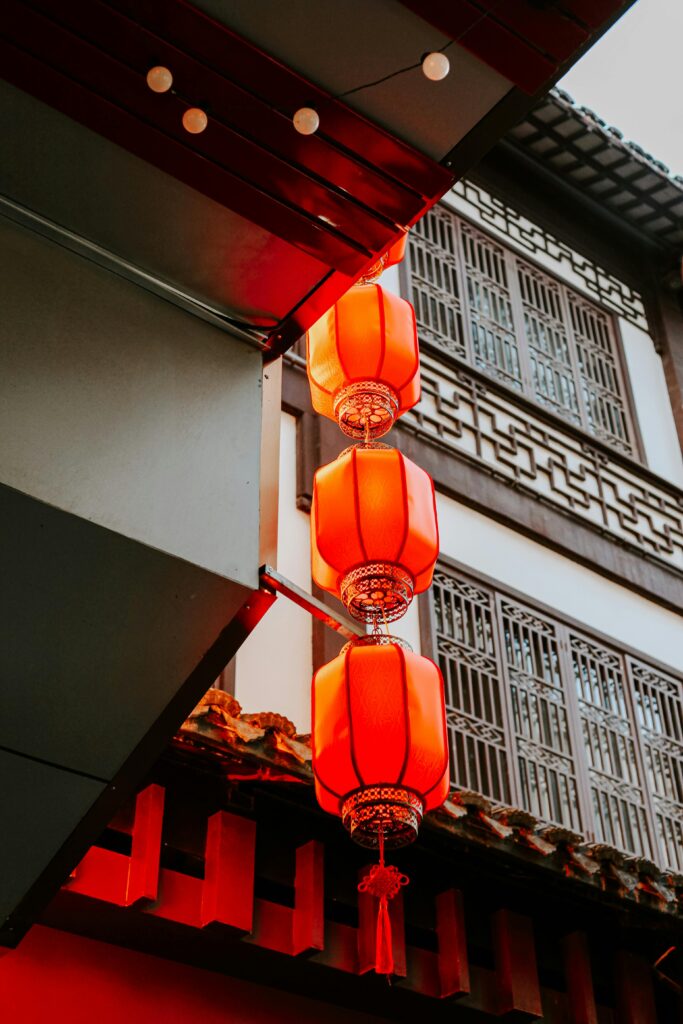
Excerpt:
Beyond the crimson walls of the Forbidden City lies a complex geometric language of power and harmony. Discover how ancient architecture was designed to align the earthly realm with the celestial heavens through the principles of symmetry and the soul.
Heritage & History
Symmetry and the Soul: The Secrets of the Courtyard House
A World Within Walls If the Forbidden City is the heart of China’s imperial legacy, the Siheyuan (quadrangle courtyard) is the heart of its human legacy. These inward-facing homes, connected by the narrow hutong alleys of Beijing, were designed to be private universes. Once you cross the high wooden threshold, the noise of the outside world vanishes, replaced by a profound sense of enclosure and peace.
The Confucian Blueprint The layout of a courtyard house is a lesson in China cultural insights regarding family hierarchy. The elders occupied the northern wing, facing south to catch the sun, while the younger generations lived in the east and west wings. This physical arrangement reinforced the values of respect and filial piety, ensuring that every member of the family had their place within the “order” of the home.
The Spirit of the Garden At the center of every Siheyuan is the courtyard itself—an open space where the sky meets the earth. Traditionally, these spaces featured pomegranate trees for fertility and goldfish basins for wealth. This “empty” center was the lungs of the home, a place where the family gathered to drink tea, watch the seasons change, and maintain their connection to the natural world.
Preserving the Intangible Today, these courtyards are symbols of resilience. In a world of glass skyscrapers, the Siheyuan remains a reminder that luxury is often found in privacy and the preservation of tradition. At SinoVistas, we curate experiences that take you behind these red doors, allowing you to feel the pulse of a family legacy that has survived for centuries.
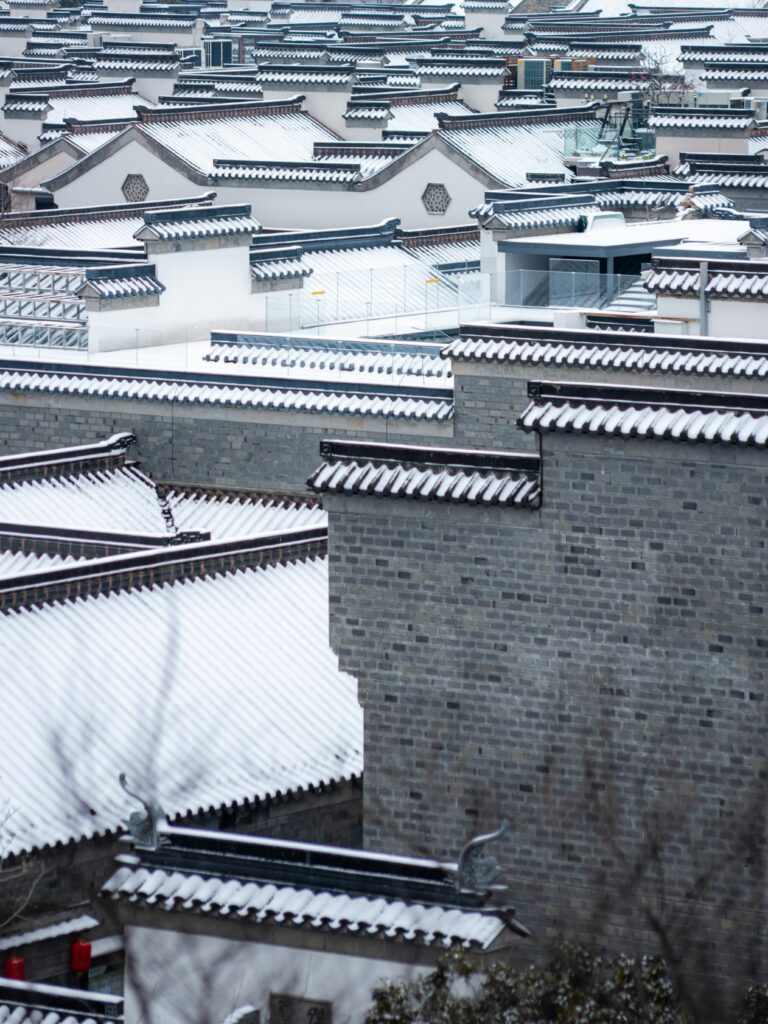
Excerpt:
The Siheyuan is more than a home; it is a blueprint of the Confucian soul. Step inside the traditional Beijing courtyard house to discover how architecture fostered family harmony and created a private sanctuary amidst the city’s pulse.
Heritage & History
Shanshui: Where the Mountain Meets the Spirit
The Philosophy of Landscape In the Western tradition, a landscape is often something to be viewed from a distance. In the Chinese tradition of Shanshui (literally “Mountain-Water”), the landscape is an invitation to wander. To understand the “Wonder” of China is to realize that these mountains are seen as the bones of the earth, and the rivers as its life-giving blood.
Seeking the Dao Our China cultural insights reveal that for the ancient literati, climbing a mountain was a form of moving meditation. The jagged karst peaks of Yangshuo and the granite spires of the east were believed to be places where the veil between heaven and earth was thinnest. When you stand before a mist-covered valley, you are not just looking at scenery; you are observing the “Qi” (energy) of the world in motion.
The Art of Incompleteness Traditional landscape paintings often leave vast areas of white space—the “void.” This reflects the belief that what is unseen is just as important as what is seen. The mist that hides the mountain peak allows the viewer’s imagination to complete the journey. It is a lesson in humility: we are but small travelers in a vast, ever-changing masterpiece.
A Witness to Wonder At SinoVistas, we don’t just show you the views; we help you interpret the silence. Whether it is the golden light hitting a limestone cliff or the reflection of a bamboo grove in a still river, we curate moments that allow you to feel the pulse of the Shanshui spirit—a connection to nature that is both ancient and deeply personal.
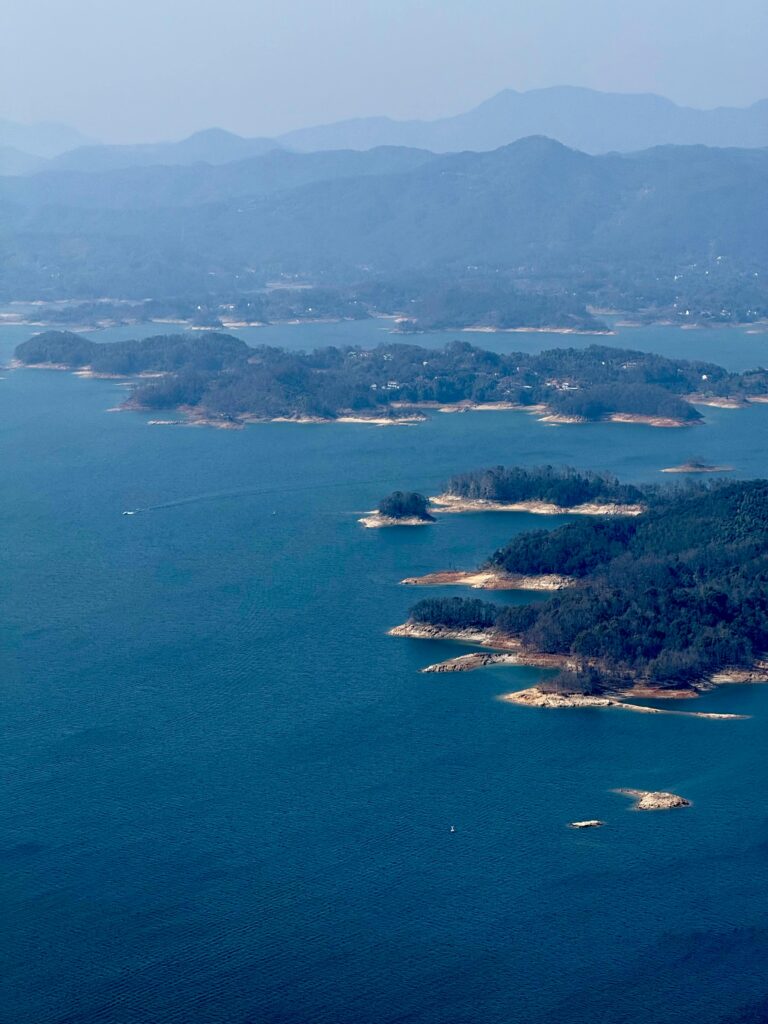
Excerpt:
For centuries, China’s jagged peaks and mist-shrouded rivers have inspired poets and painters to seek the “Dao.” Explore the spiritual geography of the Middle Kingdom, where nature is not a backdrop, but a living entity that invites us to witness the raw wonder of the universe.
Heritage & History
The Mist-Shrouded Peaks of Huangshan
The Home of the Immortals Huangshan, or the Yellow Mountains, is arguably the most photographed and painted location in China. Yet, no camera can fully capture the feeling of standing above the “Sea of Clouds.” For centuries, this granite range has been considered the home of the immortals, a place where the gnarled pine trees grow directly out of the rock, defying the laws of biology.
The Four Wonders Every traveler to Huangshan seeks the “Four Wonders”: the strangely shaped rocks, the ancient “Greeting-Guest” pines, the rejuvenating hot springs, and the ethereal sea of clouds. These elements combined to create a China cultural insights goldmine—a visual vocabulary that has influenced every major Chinese poet and artist from the Tang Dynasty to the present day.
A Dialogue with Time To hike the stone paths of Huangshan is to participate in a thousand-year-old tradition. You are walking the same steps as the masters of the Qing Dynasty’s “Anhui School” of painting. The mountain does not change; it simply reveals different versions of itself depending on the movement of the mist and the angle of the sun.
Transcending the Everyday At SinoVistas, we believe that “Wonder” is found in the transition from the lowlands to the peaks. We arrange your journey to ensure you witness the mountain at its most poetic—at sunrise, when the granite spires turn to gold and the world below remains hidden in a blanket of white. It is an experience that reminds us of the grandeur of the natural world and our place within it.
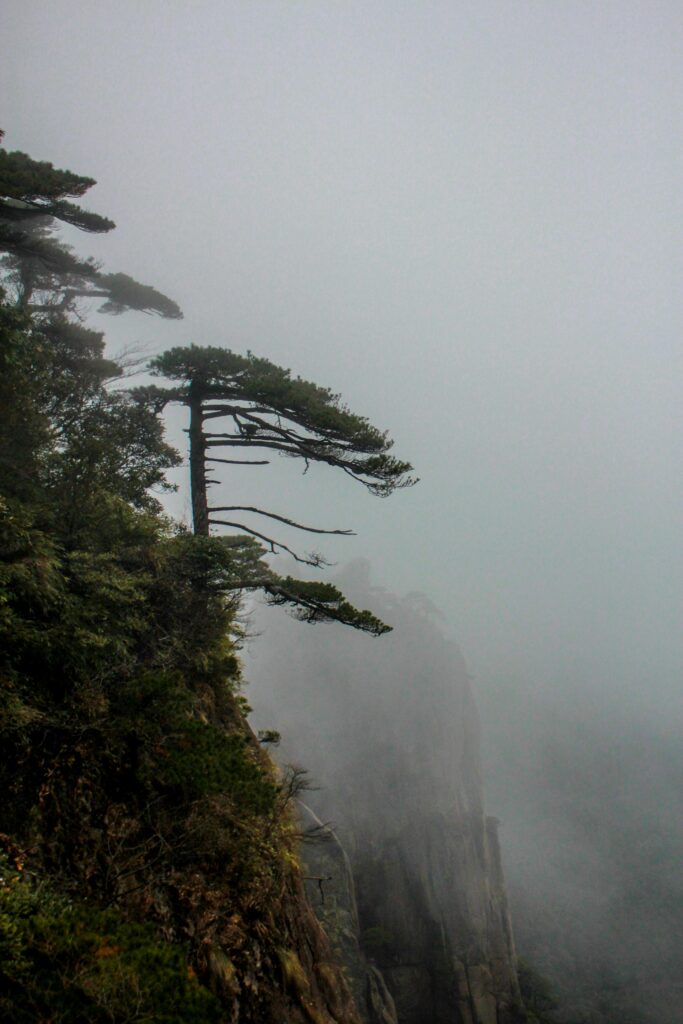
Excerpt:
Step into a living ink wash painting at the Yellow Mountains. Beyond the granite spires and ancient pines lies a world of “Four Wonders” that has defined the Chinese aesthetic for over a thousand years.
Heritage & History
The Alchemy of the Leaf: Tea as a Way of Being
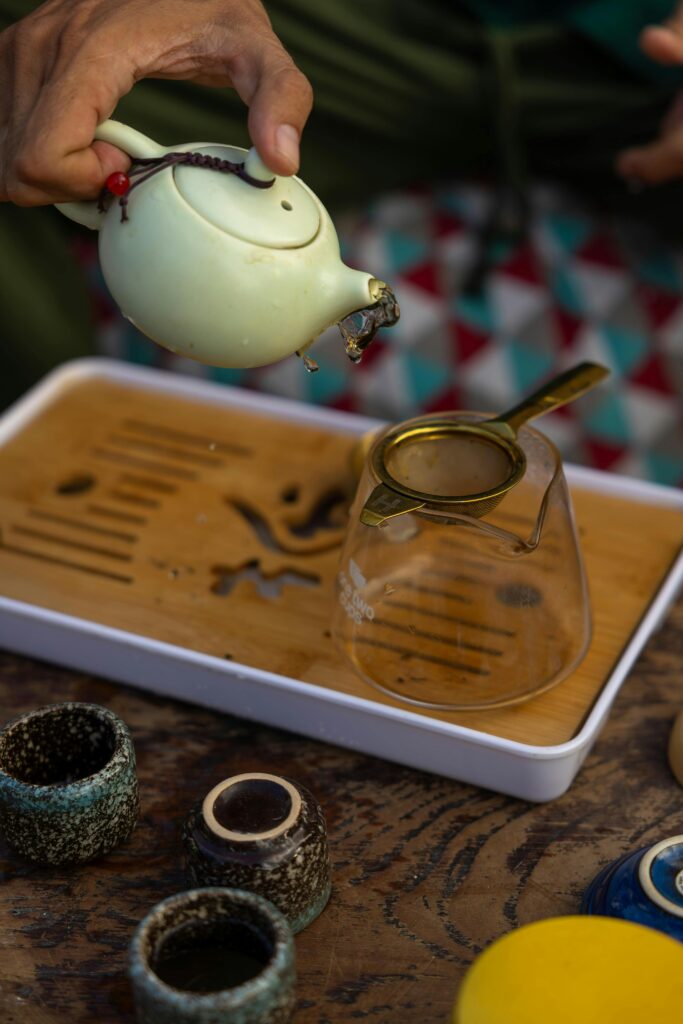
The Rhythm of the Pour In the high-pressure modern world, the Chinese tea ceremony—Gongfu Cha—stands as a sanctuary of slowness. To engage in the ritual is to understand that “Gongfu” implies “effort through time.” It is not merely about the taste of the leaf, but the grace of the movement and the quality of the silence shared between the host and the guest.
A Sensory Dialogue Our China cultural insights suggest that tea is the ultimate social lubricant in the Middle Kingdom. Whether in a hidden teahouse in the hutongs of Beijing or a mist-covered plantation in Hangzhou, the ceremony follows a specific sensory path: the appreciation of the dry leaf’s aroma, the “awakening” of the tea with the first pour, and the lingering fragrance in the “aroma cup.”
Mindfulness in Every Sip The philosophy of tea is deeply rooted in the concept of Wu Wei (effortless action). Every tool—the porcelain gaiwan, the bamboo tongs, the Yixing clay teapot—has a dedicated purpose. As the water meets the leaf, the transformation mirrors our own: a process of unfolding, releasing tension, and finding clarity in the steam.
An Invitation to Life At SinoVistas, we believe that the “Life” of China is best understood through these quiet rituals. We don’t just take you to a teahouse; we invite you to sit with a master and learn the language of the leaf—a ritual that turns a simple afternoon into a profound memory of connection and calm.
Excerpt:
In China, tea is far more than a beverage; it is a bridge between souls and a meditation on the present moment. Explore the profound rituals of the Gongfu tea ceremony and how the slow rhythm of the pour reflects a 5,000-year-old philosophy of patience and inner peace.
Heritage & History
Ink and Breath: The Art of Calligraphy
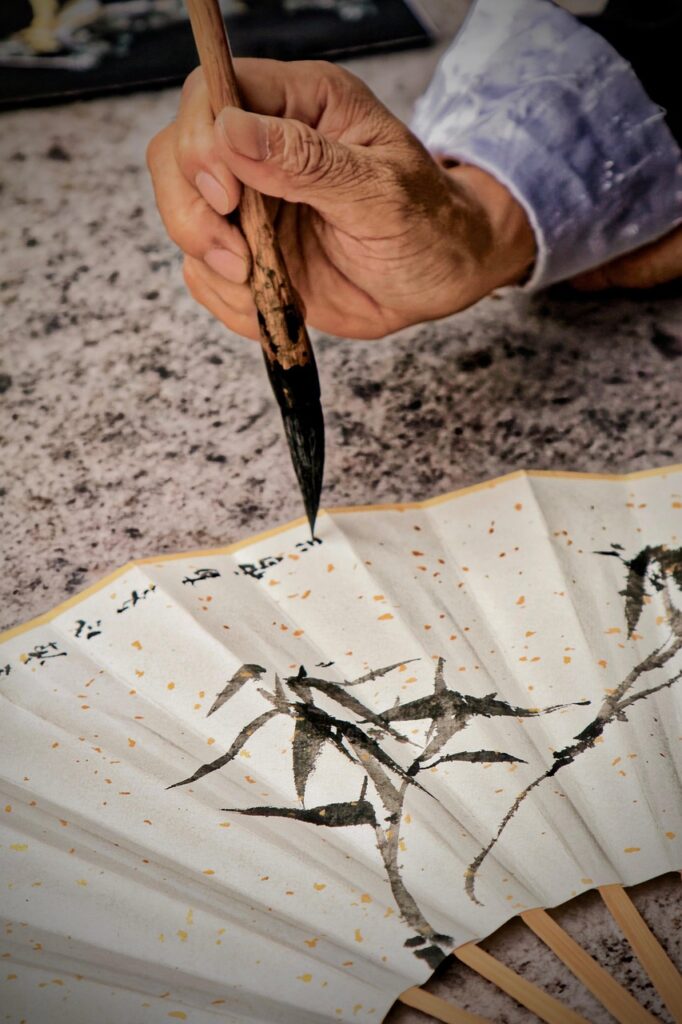
The Living Line To the untrained eye, calligraphy is the art of writing. To the practitioner, it is the art of breathing. In Chinese culture, the “Four Treasures of the Study”—the brush, the inkstick, the paper, and the inkstone—are the tools used to capture a person’s character. Unlike a typed word, a calligraphic stroke cannot be erased or corrected; it is a permanent record of a moment in time.
The Flow of Qi A core China cultural insight is that the beauty of a character lies in its Qi (vital energy). The master does not just move their wrist; they move their entire body, channeling energy from the earth, through the heart, and out through the tip of the brush. This is why calligraphy is often described as “silent music” or “dimensionless dance.”
Black, White, and the Void Calligraphy teaches us the value of the “void.” The white space on the paper is just as important as the black ink. It represents the potential and the breath between the notes. In this balance, we find the core of Chinese aesthetics: the harmony of opposites. A heavy stroke is balanced by a light one; a fast movement is followed by a deliberate pause.
A Personal Expression At SinoVistas, we see the “Life” pillar as a way to engage your own creativity. We arrange for you to step into the studios of contemporary masters, where you can feel the weight of the brush and the texture of the rice paper. It is an experience that goes beyond observation—it is an invitation to leave your own mark on the ancient narrative of China.
Excerpt:
Discover why the brush is considered an extension of the soul. In the world of Chinese calligraphy, every stroke is a record of a single breath, capturing the vital energy (Qi) of the artist in a timeless dance of black ink and white paper.
Begin the Conversation
You have heard our story. Now, we would be honored to hear yours. Contact our dedicated Travel Advisors to receive a detailed proposal or to begin the conversation about crafting a bespoke journey that is a perfect reflection of your personal travel aspirations.